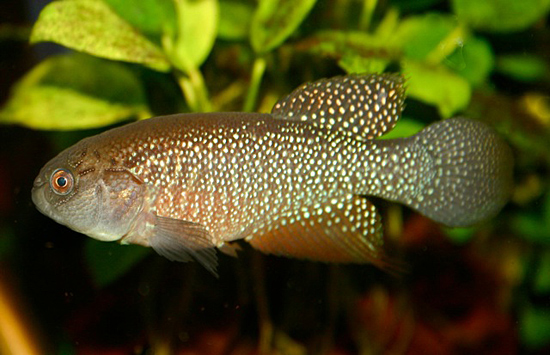
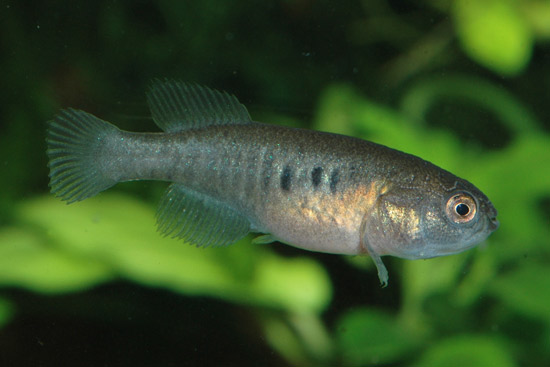
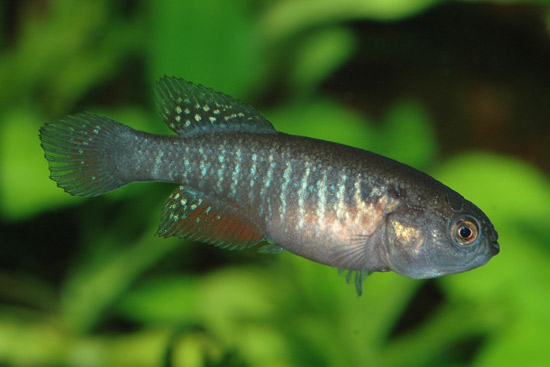
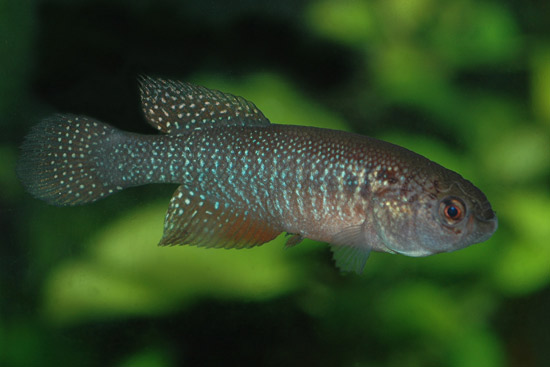
 Cynolebias itapicuruensis, Cynolebias itapicuruensis, |
History
Reproduction
No data available but assumed not different from its congeners. Breeding Cynolebias itapicuruensis is not for inexperienced hobbyists. The species becomes relative large and need special attention in feeding and storing the eggs. Food demand is high as the species need to grow to adulthood within a few months and eggs need to be stored under very cool circumstances in wich a frigidaire could become a good tool.
Also females are known to be agressive to each other. Put a high container filled with neutral pH material like Coco peat or clay (or a mix of it) for spawning.
Eggs are 2.2 mm in diameter and need about 4 to 5 months to develop. Juveniles that grow faster than others should be separated from the smaller ones immediately as they prey on them.
Remarks :
As with almost all other members of the Cynolebias genus this one is seldom available under hobbyists.
Variations
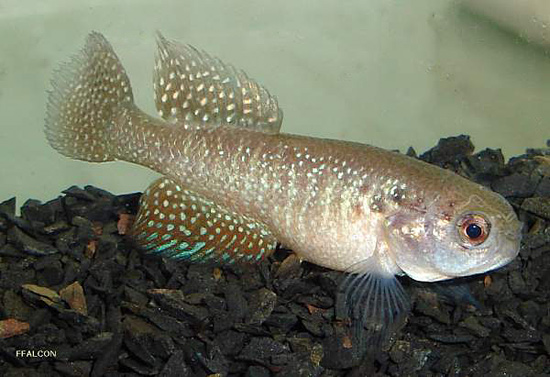
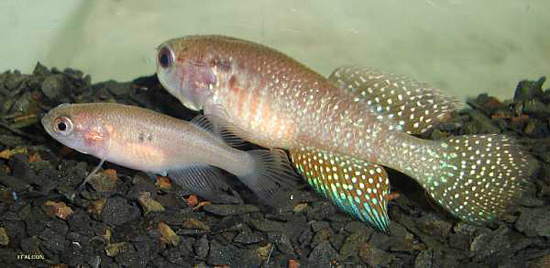
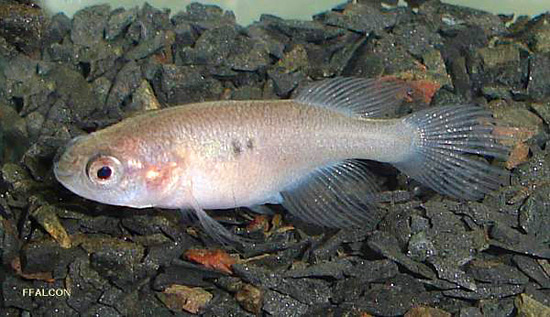
Map
Meristics
Max. size 00.0 cm in males - fem.smaller.
Dorsal (average, male only ) 00.0,
Anal (average, male only ) 00.0,
D/A (average, male only ) 0.0,
LL scale count (average) 00.0
Pre- dorsal length to SL – 00.0 %
Depth to SL – 00.0 %
Vertebrae count (average) 00.0
Literature