 The genus Millerichthys, The genus Millerichthys, |
The genus Millerichthys was erected by Costa in 1995 and contains only one species so far. This is M. robustus, first described as Rivulus robustus by R.R. Miller and C.L Hubbs in 1974.
Costa honored Prof. Robert Rush Miller, American ichthyologist at the university of Michigan (UMMZ) by dedicating his name to this genus.
The genus Millerichthys is widely seen as a valid genus. It occurs in the River drainage systems of Rio Papaloapan- and Coatzacoalcos including its tributary Rio Cotaxtla in the south of Mexico. Overthere they should live in small waterbodies along the river edges but recent surveys by Andre Schonewille in 1995 and 1996, to find the species alive, were without any result. So, since its description nobody ever had access to live material as far as known today.
Costa erected the genus because it could be distinguished from the genus Rivulus by its deeper body, the papillae at the edges of the longitudal scales and some other diagnotic characters that make this genus different tho all other Rivulus members.
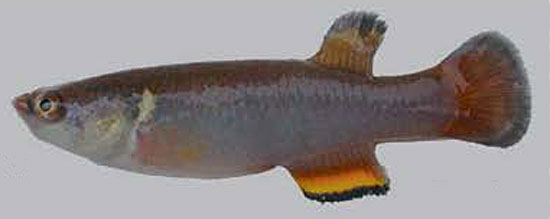
Behaviour:
There is not much to report on the actual behaviour of this fish. The original description does not give much information on there colours and behaviour and no aquarist did report any breeding- or behaviourstudies as yet.
J.H.Huber in his KilliData announced an project to work together with an Mexican scientific institut to relocate and rediscover this fish. A sum of money is granted for a young researcher that takes the challenge and joins this project to find the fish and report about this and its behaviour in captivity.
R.H.Wildekamp suggests in his "A World of Killies" that the genus could show annual behaviour as it was not found in two occasions on the type localities because of the lack of water. If so, this would be reason the more to study the fishes from this genus. Recent discovery (2010) of the only species in this genus confirms it is an annual. See species page.