 Rachovia maculipinnis, Rachovia maculipinnis, |
History
The authorship of this species needs explanation. Franz Weibezahn discovered the species and wrote a description in which he proposed the name Pterolebias maculipinnis. He submitted the manuscript to a scientific journal, but before it was published, Radda (1964), in his review of the genus Pterolebias in an aquarium magazine, included a brief description of P. maculipinnis and attributed the authorship of the species to Weibezahn. Weibezahn subsequently withdrew his manuscript, which has never been published. Taphorn &Thomerson quoted ( 1978) that as Radda intended to credit the authorship of the species to Weibezahn, he should be mentioned as author as "Weibezahn in Radda"
Huber is not following this philosophy as Weibezahn withdrew his manuscript and actually never published anything on this species.
Reproduction
To give a sort of indication of the time the species need to incubate I will supply you with the most average information. Please keep in mind that this varies from one location to the other. Normally 12 to 16 weeks the eggs need to be ready for watering. They are ready if the iris is clearly visible inside the egg shell. It further depends on temperature and humidity of the storage conditions.
The higher the temperature - up to 35 C. is possible - the earlier the development. This can speed up the development at the best to 6 weeks but it is not recommended as there is a major loss of eggs possible. The humidity is also a factor and the wetter the peat the earlier the development. But also here is this not without danger of fungus attacks if peat is stored to wet.
The species mostly live on clay bottoms that affect the waters pH they live in and mostly the pH is around the neutral level. So, low pH can also effect the survival of the eggs but does not has effect on the time of development. It is wise to choose a spawning medium that has not a very low pH. Therefore I recommend the use of Coco - peat that is boiled well before it is used.
Rachovia is a productive Genus and many eggs can be produced by one single pair if food of good quality is given. They do not like dry foods but do like life food as mosquito larvae and other small insects. In most cases they also love fresh meat but this is not always good for their guts and overfeeding with meat can lead to sicknesses or dead.
Juveniles eat artemia from the moment they are born. The growth is very rapid and within 6 weeks they are able to spawn themselves. Females are, at a certain point, to be separated from the males for reasons they grow less rapid in the first weeks and can become prey to the bigger males easily.
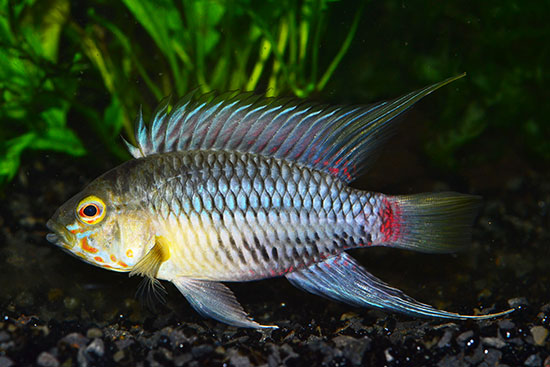
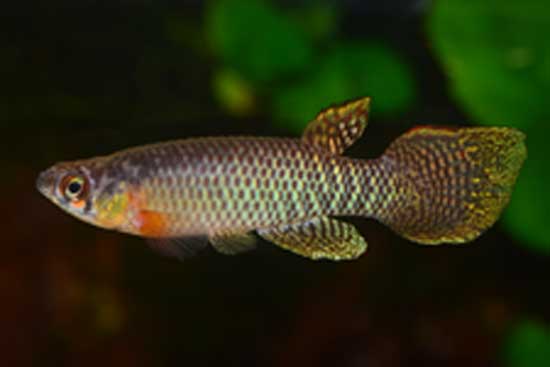
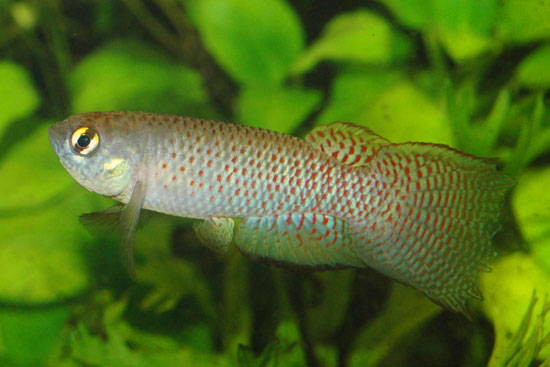
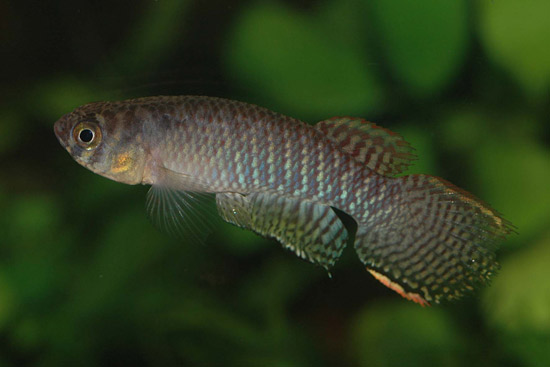
Variations
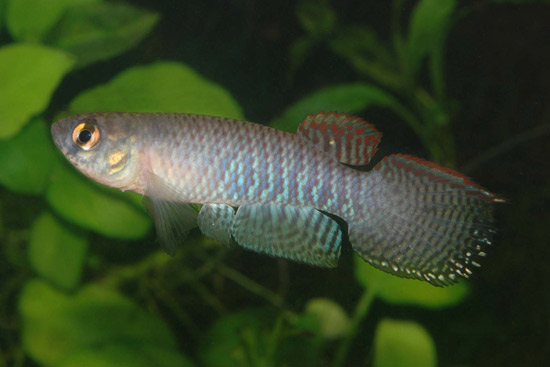

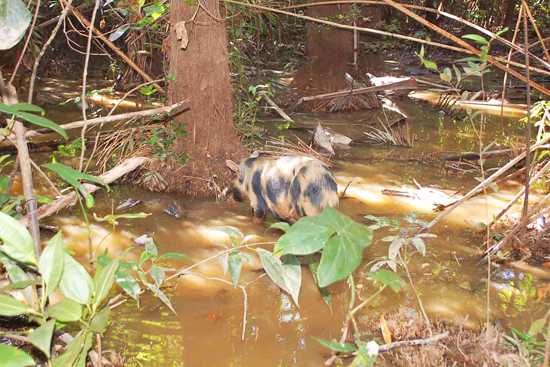
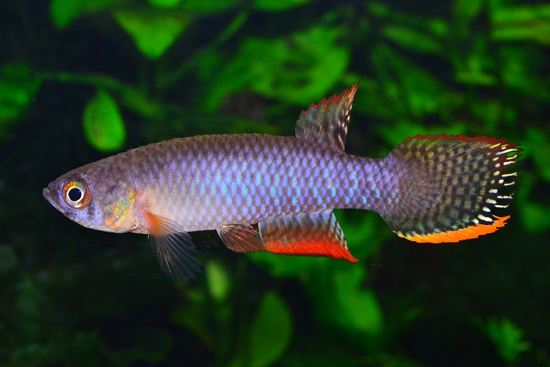
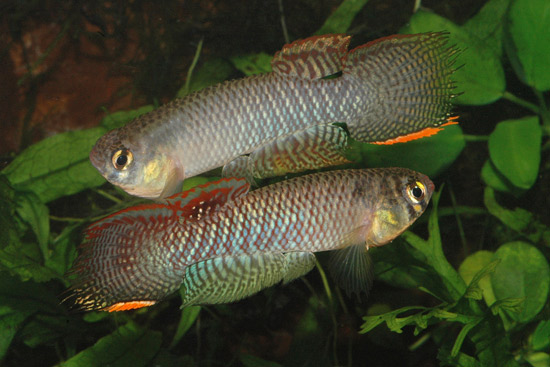

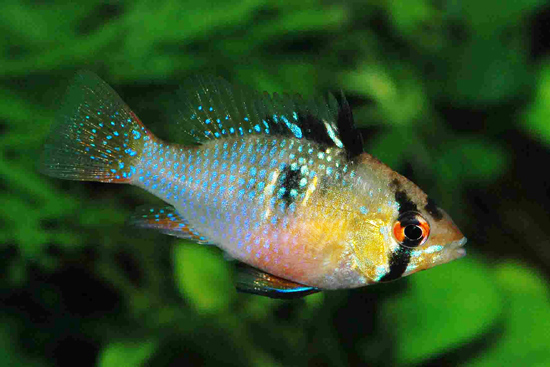

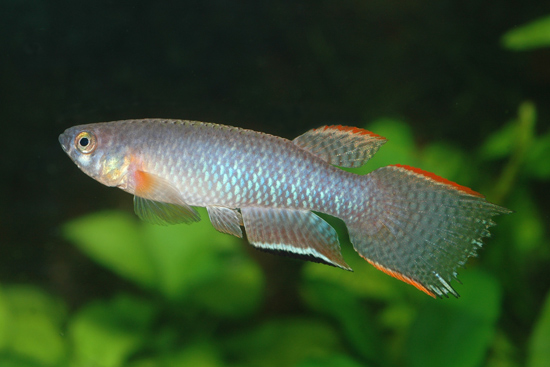
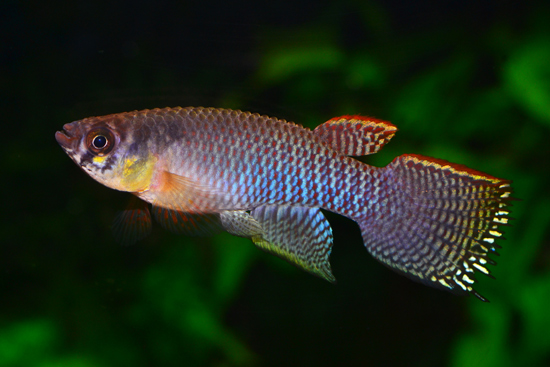
Map
Meristics
Max. size 7.0 cm.
Dorsal 10.6,
Anal 15.2,
D/A 7.0,
LL scale count (average)30.4
Pre- dorsal length to % SL – 71.4 %
Depth to % SL – 25.3 %
Literature
Radda, A.C. 1964. Die Gattung Pterolebias Garman 1895. Aquar. Terr. Zeit. (D.A.T.Z.), 17 (2): 41, fig.
Taphorn, D.C. & J.E. Thomerson, 1978. Revision of the South American Cyprinodont Fishes of the Genera Rachovia and Austrofundulus with the description of a new Genus. Acta Biol. Venez. 9 (4) 377-452.